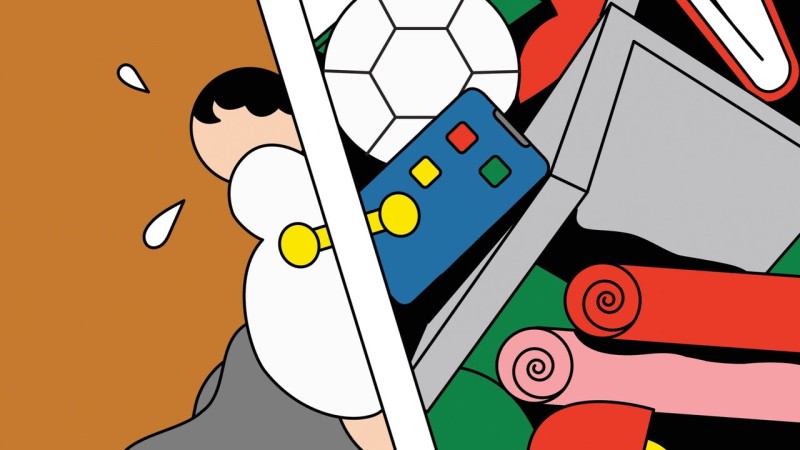
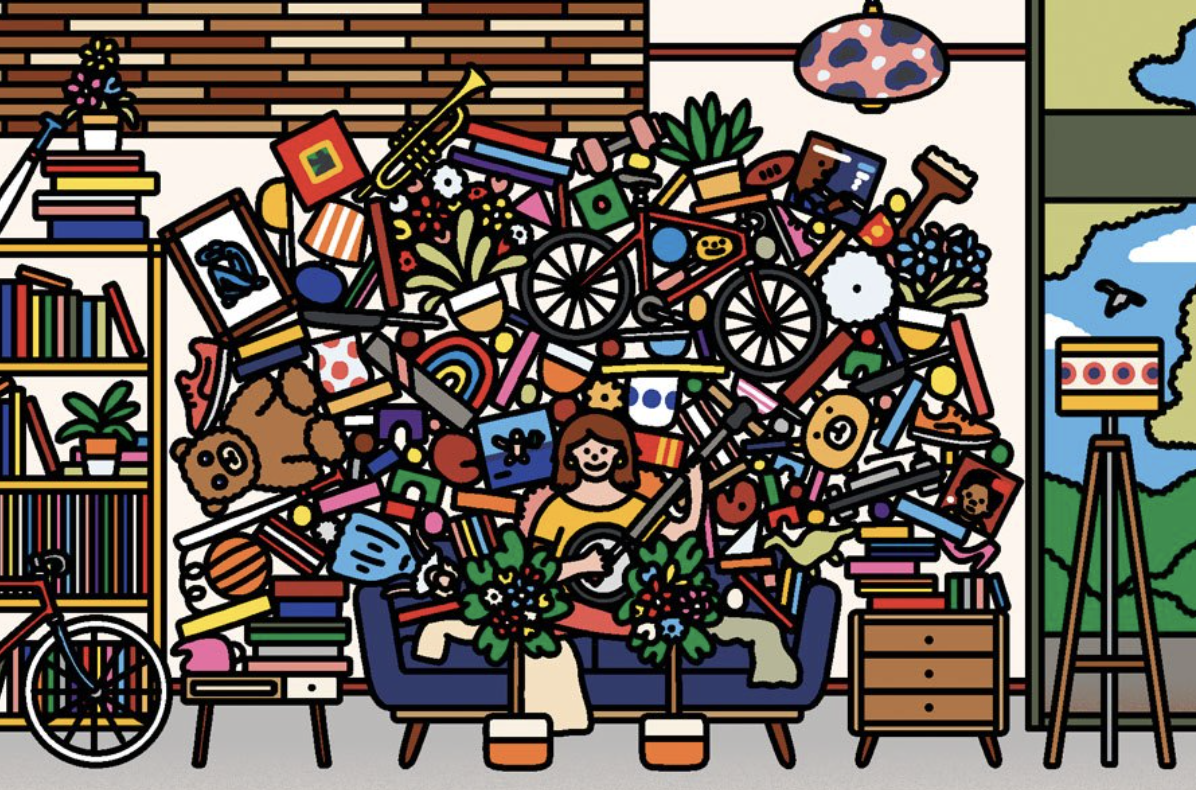
For years, maximalism was seen as better. More products and constant upgrades were often linked to success. But today, many people are starting to question whether having more actually creates a better life.
Minimalism is making a comeback because consumers are searching for simplicity and control. This shift is not only changing lifestyles but also influencing how brands communicate through design and marketing.
The beauty of less in graphic design
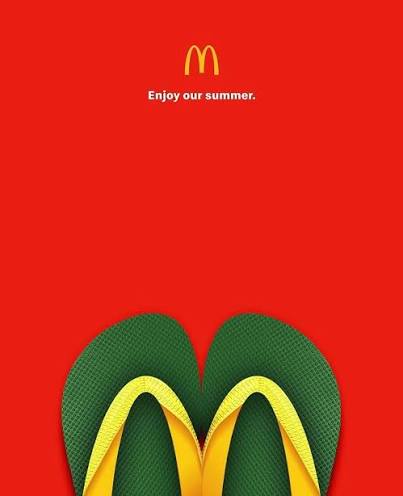
In a world where people are exposed to thousands of messages every day, simplicity has become a powerful marketing tool. Minimalist graphic design focuses on clean layouts and strong typography, helping brands communicate quickly and effectively.
Rather than competing with more visuals, minimalist design creates impact by removing distractions. It allows audiences to immediately understand what a brand represents, making it especially effective across social media advertising.
Minimalism also creates a sense of quality and confidence. A simple design can suggest that a brand does not need to over-explain itself, it already knows its value.
How brands use minimalism to stand out
Some of the world’s biggest brands have built their identities around simplicity.
Heinz is a great example of how a recognisable visual identity can do most of the communication. Its iconic colours and logo are instantly understood, allowing campaigns to remain simple while still being memorable.
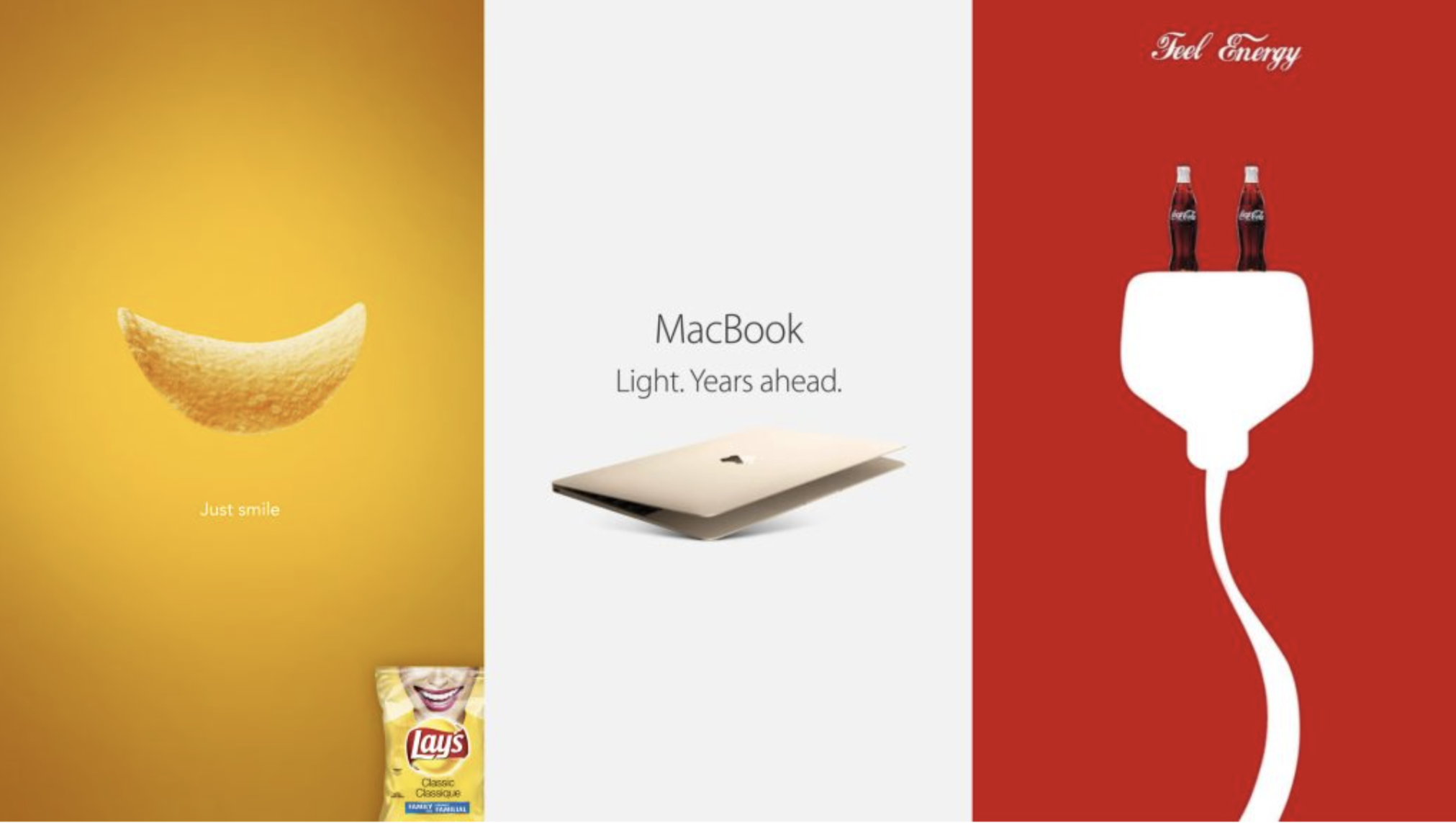
Coca-Cola has also used minimalist branding for decades. Their iconic logo, red colour palette, and emotional storytelling show how a simple visual style can create strong connections with consumers around the world.
Apple is perhaps the most well known example of minimalist branding. From their product design to their advertising, Apple incorporates clean visuals and carefully controlled messaging to communicate innovation, simplicity, and premium quality.
Minimalism reflects changing consumer values
The return of minimalism is also connected to wider changes in consumer behaviour. People are becoming more selective about what they consume. Many are moving away from constant consumption and towards products and brands that feel more meaningful and long-lasting.
This has encouraged businesses to focus less on creating noise and more on building trust through authenticity.
The future of minimalist marketing
Minimalism is becoming more than just a design trend, it is a response to an overloaded digital world. As attention becomes harder to capture, brands that communicate clearly have a greater chance of being remembered.
The success of brands like Heinz, Coca-Cola and Apple proves that simplicity does not mean being boring. When used effectively, minimalism can create powerful and instantly recognisable branding.
Amelia Bywater on August 7th, 2026