Vibe Capital: Why Atmosphere Has Become the New Festival Headliner

There was a time when a festival’s pull began and ended with the lineup. A headliner printed in bold on a poster was all it took to sell thousands of tickets. But that model is fading. Today, the most energetic festivals in the UK aren’t just booking artists, they’re curating emotion, energy and atmosphere. The product isn’t the performance. It’s the feeling.


Pexels


The Collapse of Lineup-First Thinking

Festival marketing has long leaned on talent, and for good reason. Big names meant credibility, PR, clicks, and ticket sales. But in recent years, the festival market has tipped into oversaturation. Between 2014 and 2019, the number of UK events calling themselves “festivals” quadrupled. At the time, the UK hosted nearly 600 music festivals (a 400% increase in events describing themselves as festivals from 2014), all competing for guests and attention simultaneously. 


What had started happening by 2019 was a blurring of lineups. A-list artists were hopping from one field to another, giving fans little reason to choose one event over another, aside from price or geography.


In this environment, relying on a lineup poster to carry your campaign just doesn’t cut it. Festivals need a different hook. And increasingly, that hook was vibe.


Festivals began selling themselves like lifestyle brands, projecting a mood, a worldview, a culture that fans want to step into. The lineup still matters, but it's part of a wider narrative. What kind of person goes to this festival? What moments will they talk about afterwards? What’s the point of view?


Festivals began fighting for attention through tone, experience, and atmosphere. A-list names no longer guaranteed distinction. Events like Boomtown, Shambala, and End of the Road leaned into emotional storytelling, immersive identity, and strong community values to carve out space in a saturated landscape.


The market’s methods of attraction went through a monumental shift, and it seemed to be working, over 5 million people attended music festivals across the country in 2019, generating a record £1.76 billion in gross, it was looking like a very promising future. 

However, 2020 would see the arrival of the COVID-19 pandemic.


The Pandemic Pause, and What Came After

The pandemic hit the festival world like a blackout. In 2020 and 2021, nearly every UK music festival was cancelled, postponed, or paused indefinitely. What had been a core part of British summer culture, long weekends in muddy fields, shared stages, and human connection simply… vanished.


This wasn’t just a market crisis. It was an emotional one.


For many fans, festivals weren’t just entertainment, they were rituals. Their absence created a sense of cultural dislocation. And that void would fundamentally reshape the values that audiences brought back with them once the gates reopened.


When festivals returned in 2021 and 2022, the marketing wasn’t about acts. It was about togetherness. “We’re back” became a rallying cry. Campaigns leaned into reunion, joy, and release. Promotional imagery showed hugs, shared laughter, wide eyes under stage lights. The promise wasn’t “come see this artist.” It was “come back to each other.”


Boomtown’s 2022 comeback, branded Chapter One: The Gathering, became emblematic of this shift. Before the gates even opened, organisers made a radical decision: the lineup would remain almost entirely secret until days before the festival started. Instead of investing heavily in three or four headline acts, they chose to spread that budget across the whole Boomtown experience, storytelling, theatrical immersion, and atmosphere-driven world-building took centre stage.


Co-founder Lak Mitchell described it as a chance to return to Boomtown’s roots. The festival isn’t just about music, it’s a living city of theatre, narrative, and personal discovery.


2023 Mintel survey found that “reconnecting with others” was cited as the primary reason for attending a festival by over 40% of 18–34-year-olds, outranking music, location, or headliners. Atmosphere and emotion were no longer add-ons. They were the core product.


Events that leaned into that did well. Boutique festivals like Shambala and We Out Here deepened their community-first messaging. Even larger festivals like Boardmasters pivoted tone, promoting mindfulness, well-being spaces, and community energy.


Importantly, COVID also exposed how fragile lineup-led marketing could be. In the chaos of border closures, travel rules, and last-minute cancellations, acts dropped out with zero notice. Festivals that had built trust on experience were far better positioned to weather those shocks than those that relied on specific names.


In many ways, that reset laid the groundwork for today’s most successful strategies: sell the moment, the feeling, and the vibe.


What a Vibe Really Is

To be clear, ‘vibe’ isn’t just branding. It’s not gradients and font choices. It’s not projection. It’s point of view. It’s how it actually feels to be there, on the ground, surrounded by thousands of other people, fully immersed in everything that comes alongside the music.


The best festivals understand that and market accordingly. They don’t just show what the site looks like, they show what it feels like to be in the middle of it.


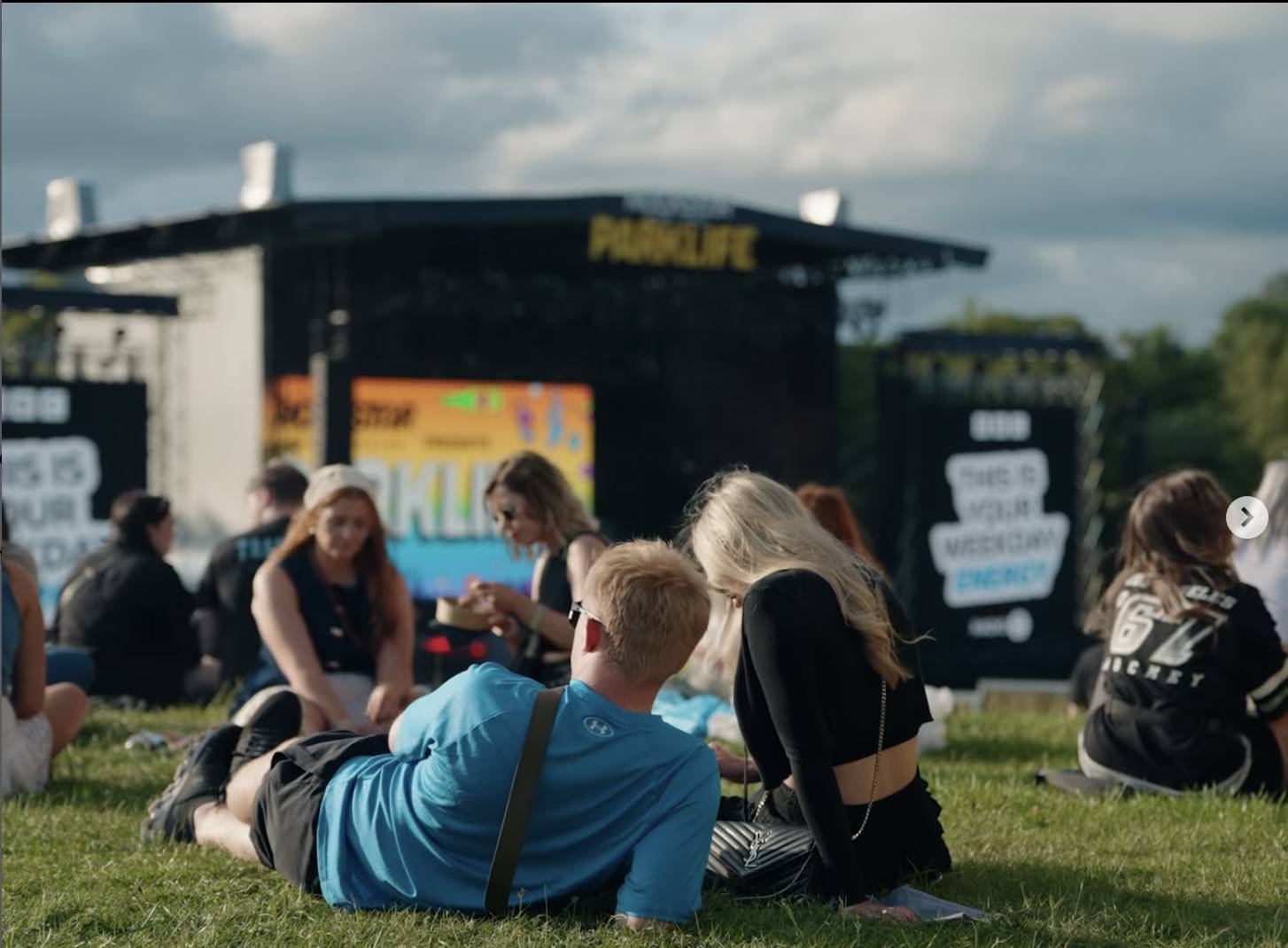
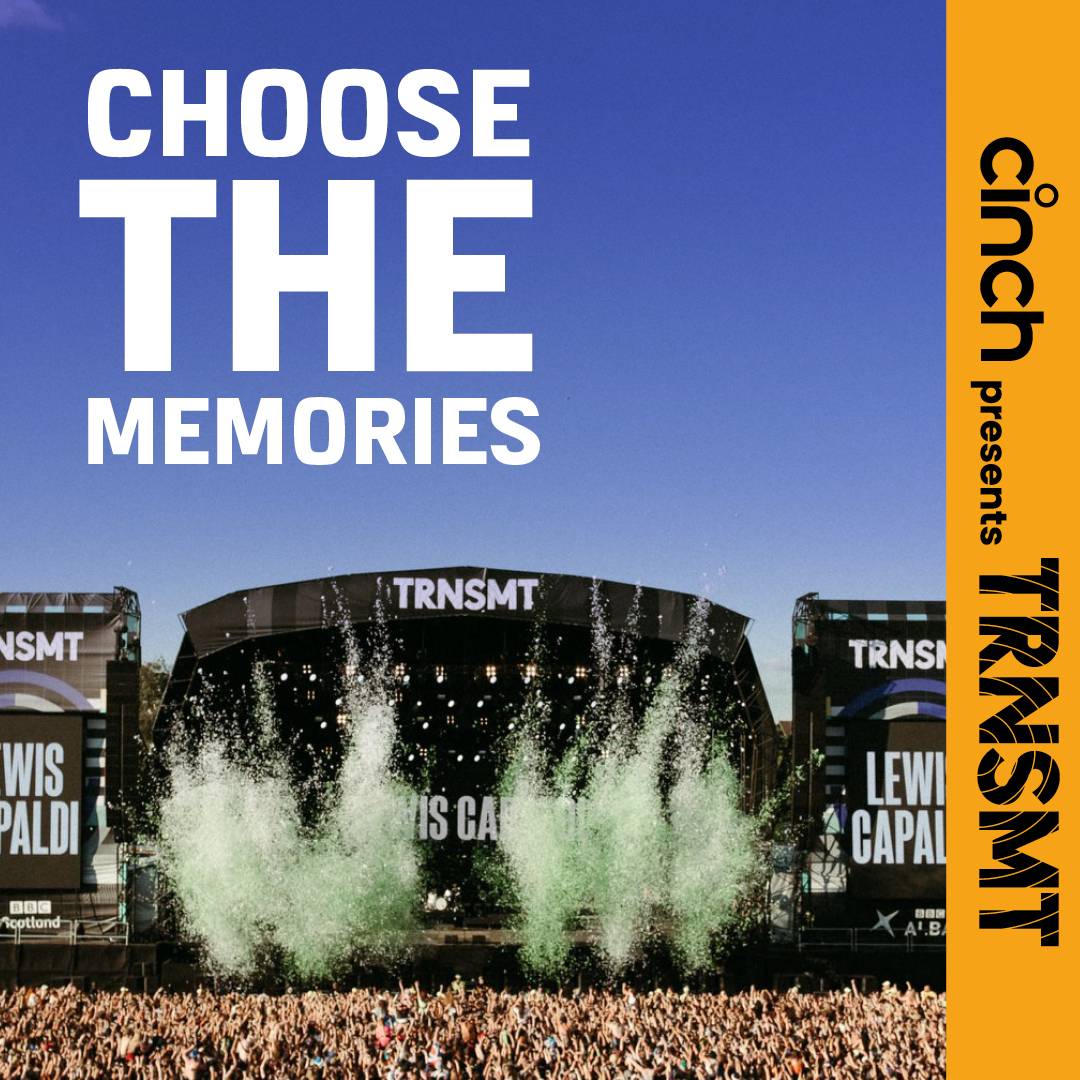
TRNSMT’s video campaigns focus on the heat of the moment: cheering, arms around shoulders, crowd singalongs, Parklife’s TikToks are as much about pre-festival fit checks and campsite culture as they are about the stage, and Kendal Calling is less about staging and more about capturing spontaneous community moments.


Festival identity has merged with emotional experience so fluidly that fans now choose festivals based on “coming into that world,” not just who plays it.


Parklife


Strategic Marketing Anchored in Emotion

Savvy festival marketing teams are translating vibe into strategy. They task on-site content creators with filming authentic crowd interactions. They invite user-generated stories with prompts like “what was your moment of the night?” This content fuels social feeds, builds anticipation, and transforms fans into storytellers.


Such authenticity helps build vibe capital, the awareness that attending is not just attendance, but belonging. Festivals with strong vibe capital don’t just sell tickets. They earn trust, loyalty, and word-of-mouth momentum, often ahead of lineup announcements.


In fact, 2025 analysis reveals that those aged 18–34 now cite emotional atmosphere and shared experience as primary motivators for festival attendance, still outranking even the lineup itself this far past the pandemic.


Stand Out or Step Aside

The shift toward vibe-first festival marketing hasn’t just emerged out of creative ambition, it’s been driven by necessity. In a market that’s both economically pressured and culturally crowded, being generalist is now a risk.


That means curating specific, targeted vibes. You’re not just selling “fun”, you’re selling the exact type of fun your audience wants.


We’re seeing this everywhere: the rise of niche, tight-knit day festivals, where the appeal is less about who’s on stage and more about being together. The growth of multi-format, values-driven events with wellness areas, talks, or community-led programming, The popularity of family-oriented, community-rooted festivals, where the brand is built on safety, inclusion, and co-created memories.


Each of these is a vibe, and festivals that understand this are using it to build a brand that resonates deeper than a line-up ever could.


Because in a landscape where everyone’s shouting, it’s the festivals that feel like something specific, and know how to express that feeling, that stand out.


Why It Matters Now

Despite economic pressures, more people are turning out for the emotional experiences festivals deliver. In 2024, an astonishing 19.2 million music fans attended live music events across the UK, a whopping 33% increase from the previous year.


Music tourism revenues hit £8 billion, with £4.2 billion spent directly by attendees on tickets, travel, and on-site experiences . These numbers underscore a key trend: festivals remain emotional catalysts, with consumer demand surging for immersive, memorable gatherings.


Close to 70% of festival-goers now say that a range of non-music activities such as arts, wellness, atmosphere are important when choosing an event. 


Moreover, with budgets stretched and artist fees high, investing in atmosphere offers sustainable ROI. Emotional connection builds longevity in a crowded market. 


The festivals that weather the evolving terrain won’t necessarily be those with the most famous headliners, but those with the clearest point of view, the most vivid storytelling, the strongest emotional ties. In every content post, every email, every festival map, the vibe must resonate.


So What?

So what does all of this mean?


It means we’re past the era of lineup-as-message. Of copy-paste posters. Of “Tickets on sale Friday” as a strategy.


Festivals now live and die by how well they build their vibe capital, their emotional value, their sense of belonging, their cultural POV. In a climate of economic anxiety and digital overwhelm, festivals offer presence, connection, and identity.


That’s what people are buying. And that’s what marketers need to be selling.


So whether you’re building a city like Boomtown, a memory like TRNSMT, or a community like Parklife, your task isn’t just to promote a show. It’s to invite people into a world. One they’ll recognise, remember, and come back to.

Elliot Thorne on August 8th, 2025