Podcasting has grown from a niche digital format in the early 2000s into a major force in modern media. Driven by a push for on-demand, personalised content, listeners now turn to platforms such as Spotify and Apple Podcasts for flexible listening experiences. But our question is why and what factors have driven podcasting’s rise from a niche format to a global phenomenon?

Convenience
Many podcasters began their journeys as a side hustle, not realising there was a gap in the market for a low maintenance entertainment. Unlike Netflix, podcasts are multitasking-friendly and in a fast-paced world, that’s gold.
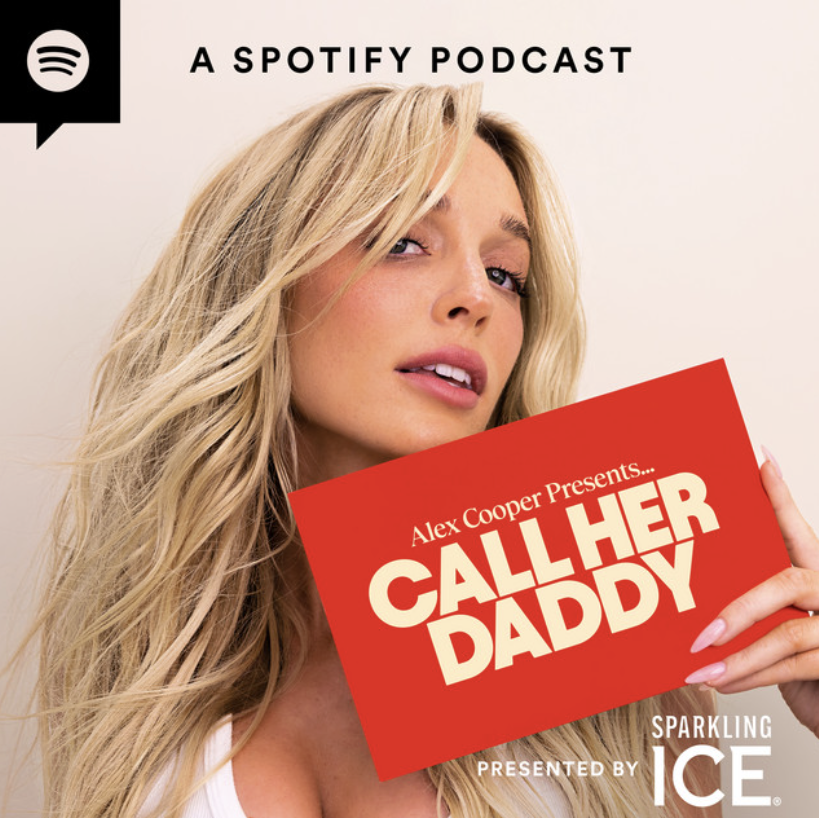
Shows like The Diary of a CEO and Call Her Daddy have gone from indie productions to global media brands, landing celebrity guests and massive sponsorship deals.
There are now more than 4.5 million podcasts globally, covering everything from true crime to business advice with the global podcast market expected to grow from roughly $30-40 billion annually today to over $130 billion by 2030.

On-Demand digital platforms
The growth of platforms such as Spotify, Apple Podcasts and YouTube has significantly contributed to the popularity of podcasts. These platforms make it easy to discover and share content, using algorithms to recommend shows based on user preferences.
The rise of video podcasting, particularly on YouTube, has further expanded audiences by blending traditional audio formats with visual and social media elements.
This has allowed podcasters to monetise all aspects of their content, allowing for listeners to choose if they want to consume only the audio from the podcasts or the video as well. This creates the idea that listening to a podcast is more of an experience than just listening to music.

Low barrier to entries
Starting a podcast requires minimal equipment and technical knowledge, meaning almost anyone can launch one. This accessibility has led to a huge increase in content, with millions of podcasts now available. However, while it is easy to start a podcast, maintaining one is much harder,with as few as 1 in 6 podcasts remaining active over time.

Demand for authentic and in-depth content
In contrast to the fast-paced, short-form content found on platforms like TikTok and Instagram, podcasts offer longer, more meaningful discussions. This depth allows listeners to engage with topics in a more thoughtful and immersive way.
Listeners often feel a stronger connection to podcast hosts, as the conversational style creates a sense of authenticity and trust. This demand for genuine, long-form content has played a key role in the growth of podcasts, particularly among listeners seeking more than just quick entertainment.

Increased investment and commercial growth
The rapid growth of the podcast industry has also been driven by increased investment and commercial interest. As audiences have grown, brands have recognised podcasts as an effective advertising channel, leading to a rise in sponsorships and ad revenue.
Podcast advertising is often integrated into episodes through host-read endorsements, which feel more personal and trustworthy to listeners. This financial support has enabled higher production quality, higher profile guests and wider distribution, further accelerating the popularity and professionalisation of the medium.

The growth of podcasting reflects a broader shift in how audiences engage with media, prioritising flexibility and personal choice over traditional broadcast schedules. It has also been shaped by changes in digital culture where users increasingly prefer content that fits around their routines rather than structured programming. Due to these factors, podcasting has become a key part of the modern media landscape, continually adapting to audiences’ consumption habits.
on April 16th, 2026