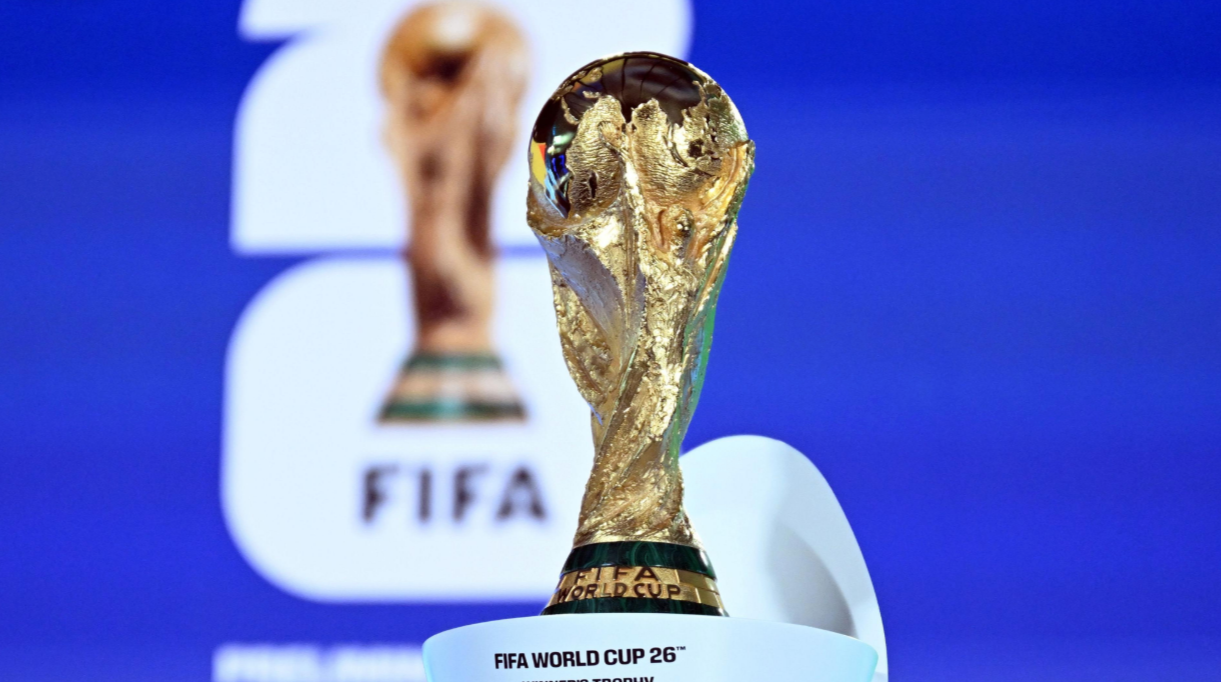
With matches hosted across the United States, Canada and Mexico, brands are using the competition as a global marketing stage, creating campaigns designed not only for television audiences but for TikTok feeds, Instagram Reels and viral social moments.
The modern World Cup is no longer just watched, it's shared and experienced online. From creator-led content and immersive fan experiences to AI-powered activations and viral challenges, brands are competing for attention just as fiercely as the teams on the pitch.
FIFA and TikTok: The biggest marketing partnership of the tournament
One of the most significant developments surrounding the 2026 World Cup is FIFA's partnership with TikTok, which has been named FIFA's first-ever "Preferred Platform." The collaboration gives creators unprecedented behind-the-scenes access to training sessions, press conferences and exclusive tournament content, highlighting how central social media has become to modern sports marketing.
Rather than relying solely on traditional broadcasters, FIFA is actively investing in creator culture. The partnership includes a dedicated World Cup content hub, creator programmes, interactive filters and fan engagement tools designed specifically for younger audiences.
Coca-Cola continues its World Cup legacy
Few brands are as closely associated with football as The Coca-Cola Company. For 2026, Coca-Cola has expanded its fan-first marketing strategy through interactive campaigns designed to encourage participation rather than passive viewing.
Coca-Cola is elevating the 2026 football season with a massive "Feel It All" campaign. Rather than just traditional ads, the brand anchors its interactive fan strategy in user participation, including "Uncanned Emotions" films, sweepstakes for official match balls and immersive community viewing zones that bring supporters to the heart of the action.
The campaign reflects a broader shift in sports marketing, where brands increasingly focus on community engagement and user-generated content.
Adidas and Nike battle for cultural relevance
Every World Cup creates a marketing showdown between football's biggest sportswear brands. While traditional campaigns once centred on television commercials featuring star players, modern strategies focus on cultural relevance and social sharing.
Brands are producing short-form content tailored specifically for TikTok and Instagram, featuring player personalities, training footage, fan reactions and creator collaborations.
The goal is no longer simply selling boots and shirts, they’re positioning themselves within football culture itself.
This reflects a major trend in modern advertising: audiences engage more with authentic, entertaining content than with direct product promotion.
The rise of creator-led marketing
Perhaps the biggest change in World Cup marketing is the growing importance of creators.
Instead of relying solely on celebrities or athletes, brands are partnering with TikTok personalities who already have highly engaged communities. FIFA's official creator programme gives selected creators access to exclusive tournament experiences, allowing fans to see the World Cup through relatable and authentic perspectives.
This strategy reflects a wider shift in digital marketing where creators often generate higher engagement than traditional advertising because audiences trust their content and feel personally connected to them.
The World Cup is increasingly becoming a creator-driven event as much as a sporting one.
Beauty brands enter the football conversation
The 2026 FIFA World Cup marks a historic milestone for the men's grooming and beauty industry, which has secured its first-ever official tournament sponsors. Brands are leveraging the event to reach younger, football-obsessed demographics by reframing skincare as a vital part of athletic performance and resilience
Companies such as Paula's Choice and Clear Men have used football ambassadors and player partnerships to connect with younger male audiences. This demonstrates how the World Cup's marketing reach extends far beyond sportswear and beverages. Brands across beauty, technology, finance and lifestyle sectors now view football as one of the most effective ways to engage global audiences.
The future of sports marketing
The 2026 FIFA World Cup demonstrates how sports marketing has evolved into a digital-first experience. While television remains important, the real battle for attention is happening on social media.
Brands are no longer creating campaigns solely to be watched. They are creating campaigns designed to be shared. Whether through creator collaborations, immersive fan experiences, AI-generated content or viral TikTok moments. The tournament highlights how modern advertising increasingly sits at the intersection of entertainment and culture.
The World Cup is transforming sports marketing into an always-on social media experience where every fan has the potential to become part of the story.
Anais Lewis, Amelia Bywater on July 3rd, 2026