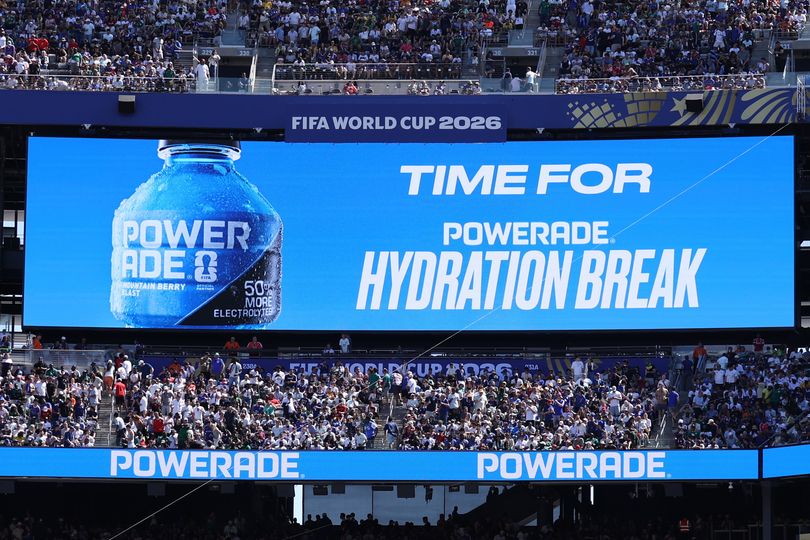
Hydration breaks at the FIFA World Cup were introduced to protect players competing in extreme heat, allowing them to rehydrate and reduce the risk of heat-related illnesses. While the welfare justification is clear, these breaks have also become valuable commercial moments within live broadcasts, attracting the attention of sponsors and advertisers.
Increased Brand Exposure During Live Broadcasts
From an advertising perspective, hydration breaks create a rare opportunity where millions of viewers remain engaged with the match while play is temporarily paused. This gives brands increased visibility through pitch-side advertising and product placement. Because audiences remain focused on the game rather than switching channels, these moments can improve brand recall and strengthen the association between a brand and elite sporting performance.

Powerade: A Natural Sponsorship Fit
Powerade is a strong example of a brand that benefits from hydration breaks. As a sports drink designed to support hydration and performance, its products align naturally with what viewers are seeing on screen. This brand fit makes the sponsorship feel authentic, increasing the likelihood that consumers will remember the brand and associate it with performance and the excitement of the World Cup.
The UK Broadcasting Approach
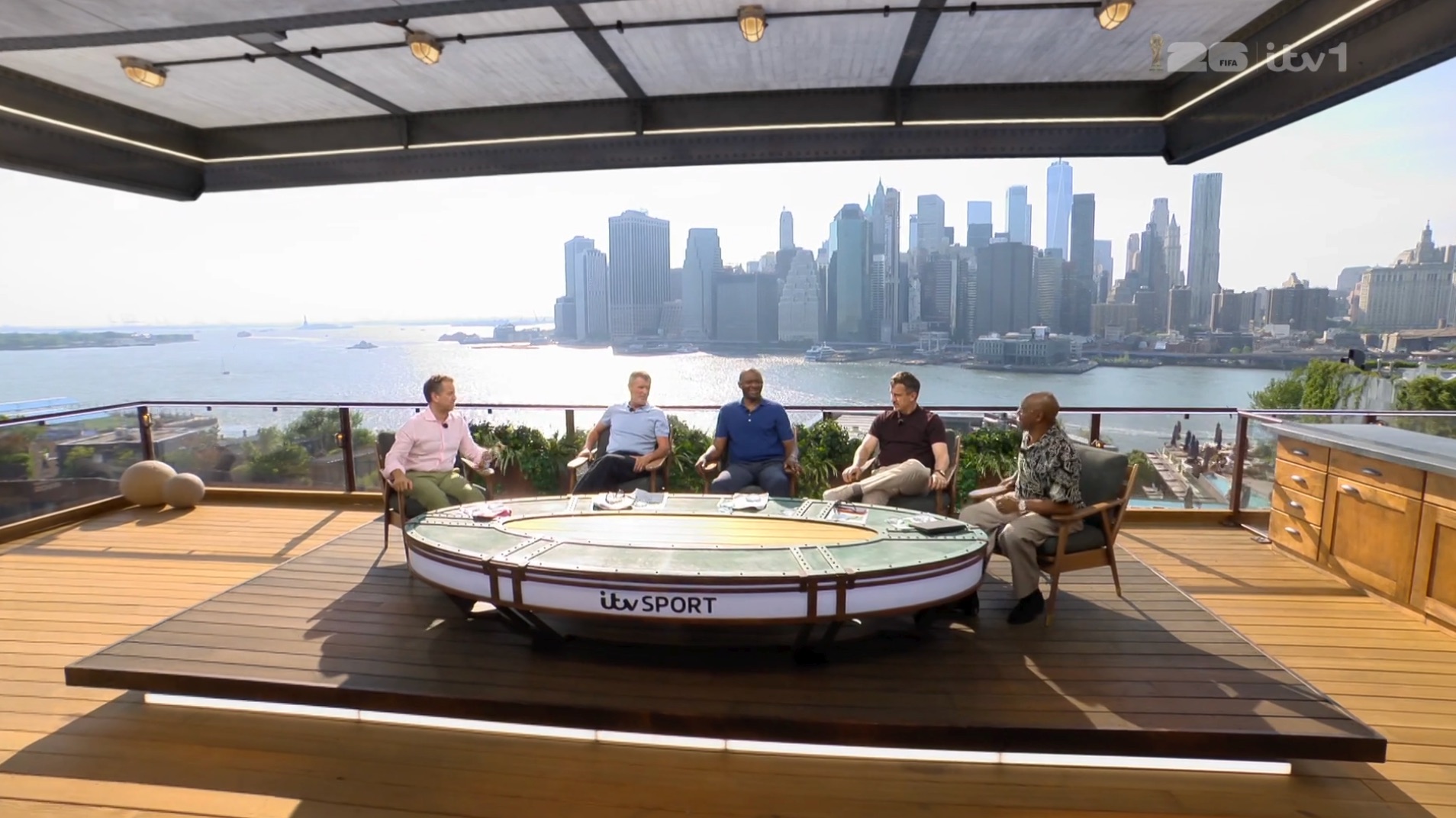
However, the commercial value of hydration breaks is not always realised in the same way across different broadcasters. In the UK, broadcasters such as the BBC and ITV have used these pauses to provide additional analysis, tactical discussion and replays rather than inserting extra advertising breaks. Even on commercial channels like ITV, the breaks have typically remained part of the live broadcast instead of becoming additional commercial breaks.
Despite this, hydration breaks still provide significant value for sponsors. On-screen sponsorships remain visible throughout the pause, ensuring that brands continue to receive exposure while viewers stay engaged with the match.
Controversy Surrounding Hydration Breaks
The introduction of hydration breaks has also been controversial. Many fans have argued that the pauses have become as much a commercial opportunity for FIFA and its partners as a player welfare measure. Critics suggest that they disrupt the natural flow of matches while creating additional sponsorship opportunities, reinforcing the idea that major sporting events are increasingly driven by commercial interests.
Ultimately, hydration breaks demonstrate how modern sports broadcasting balances player welfare with commercial objectives. While they serve an important health and safety purpose, they also create valuable sponsorship opportunities that benefit both FIFA and its commercial partners, illustrating the growing influence of advertising within global sporting events.
on July 20th, 2026