Brands were quick to get in on the action and make the most of the engagement news: Sour Patch Kids cheered “SUDDENLY I BELIEVE IN LOVE!”, Duolingo played on Taylor’s caption (“but when will it be your Spanish teacher’s turn?”), and Buffalo Wild Wings even pledged “WE WILL CATER THE WEDDING.” Meanwhile, Krispy Kreme rolled out “FREE doughnuts for the class,” and Panera served up a punny “It’s a loaf story, baby - just say yeast.” At this point, trendjacking Taylor isn’t a choice, it’s practically expected.

Empire State Building via X
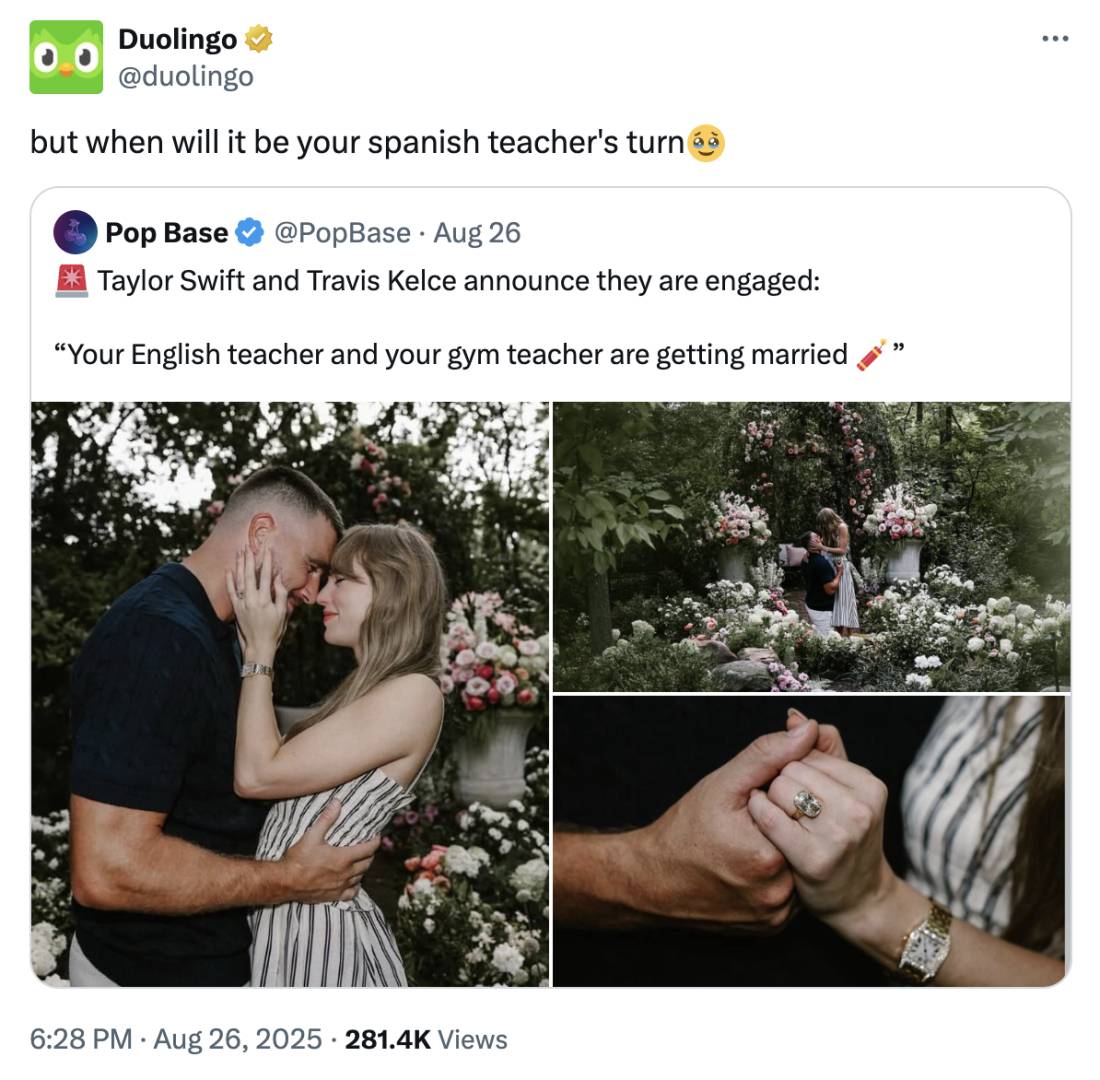
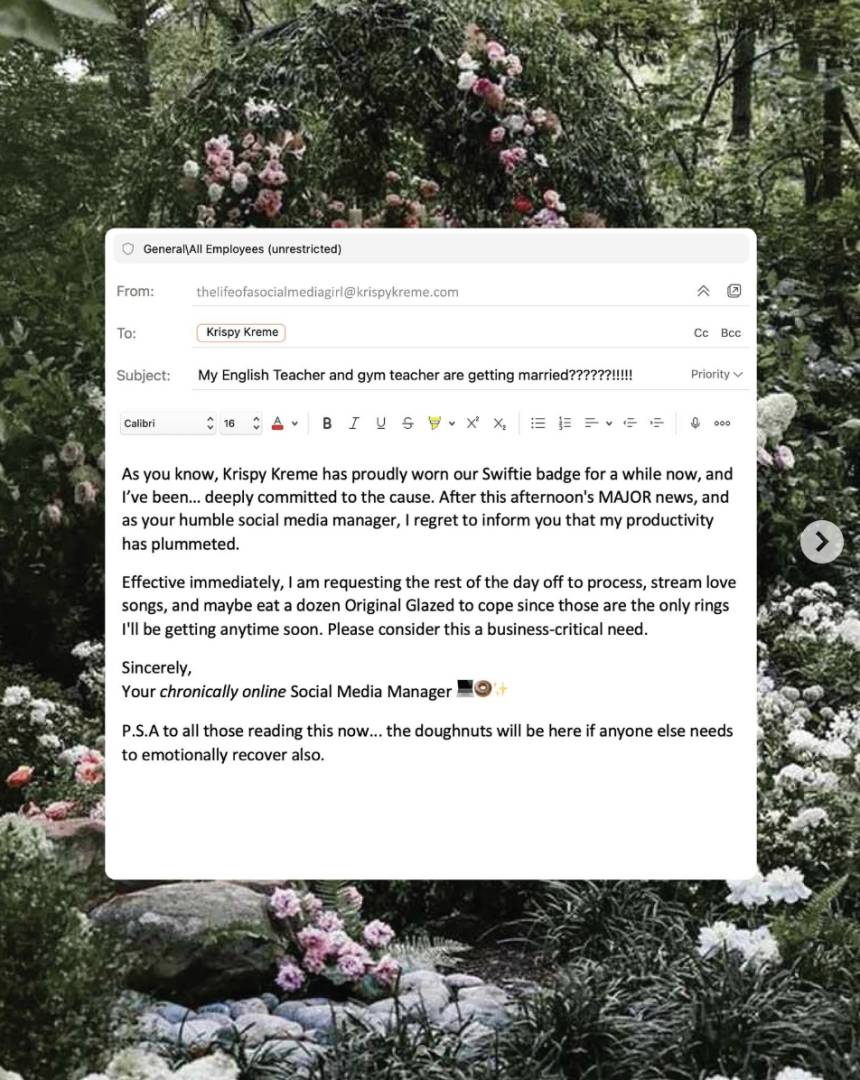
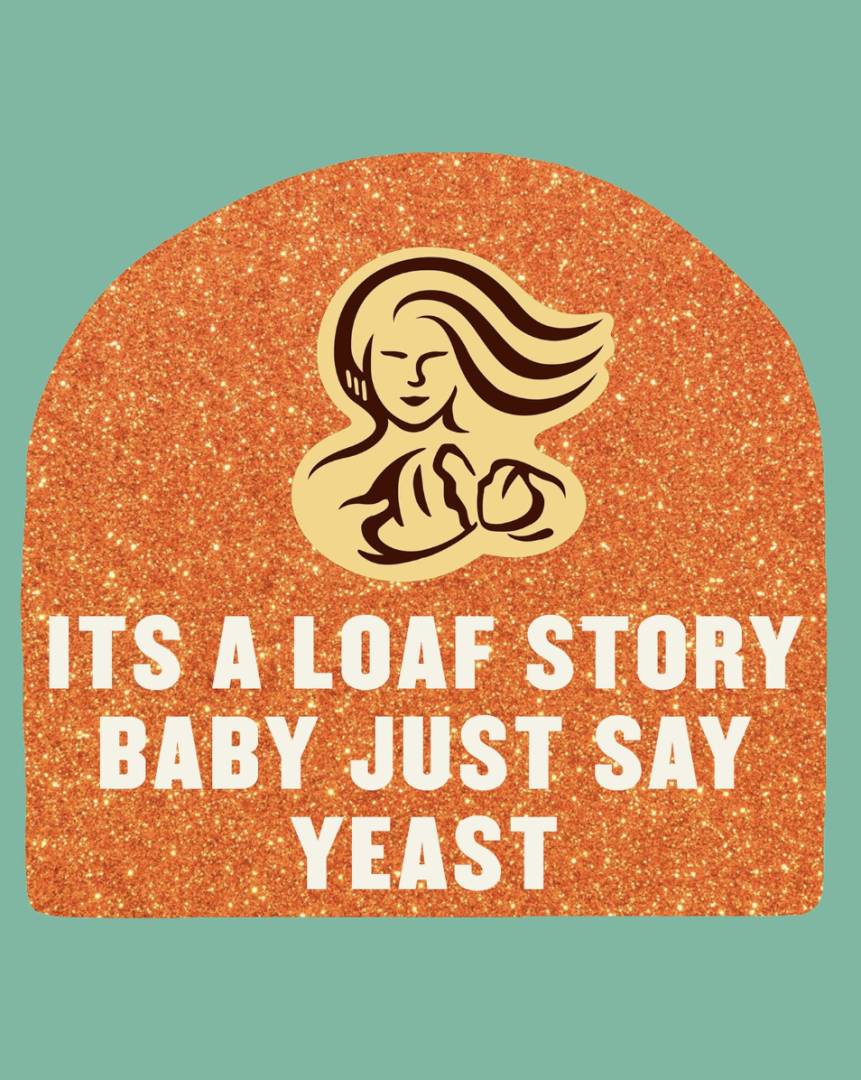
On the surface, this looks like cultural relevance in action. A brand proving it ‘gets the moment,’ signalling fluency, and reaping a quick engagement spike. But step back and the question remains: what does this actually achieve?
Those that work in social media know it can be easy to fall in the trap of ‘trendjacking’, thinking that this approach is a winning formula for social media success. The nuance of what constitutes the right approach and what might be considered wrong is open to debate. But the real interest lies in the increasing transparency of dialogue that surrounds the pros and cons of this reactive approach to content creation.
The Swift effect
It’s not hard to see why brands are tempted. Swift revealed The Life of a Showgirl during her record-breaking appearance on the New Heights podcast, generating the biggest podcast premiere in history. Days later, her engagement news had the same effect: another cultural flashpoint that dominated feeds, timelines, and even brand calendars. Each event carried its own aesthetic and energy, practically begging to be borrowed.
For social teams, moments like this are the holy grail: high cultural salience combined with mass attention. And for managers under constant pressure to ‘be relevant,’ joining in feels like a low-stakes win. A few orange graphics, a Swiftie pun, and suddenly the brand looks alive, playful, and culturally switched on.
But there’s a flipside. When dozens of brands make the same joke, originality disappears. What starts as participation quickly becomes wallpaper. And while Taylor’s cultural dominance is amplified, the distinctiveness of the brands themselves often isn’t.
Vanity Metrics vs Value
The orange wave is proof of this paradox. X (formerly Twitter) switched its profile to orange and saw millions of impressions. LASIK.com referenced Swift’s offhand remark about eye surgery and picked up nearly half a million views. The numbers look impressive, but the value is less clear. No one decides on their eye surgeon because of a meme. And changing a logo’s colour is a long way from building a relationship with an audience.
That’s the danger of confusing visibility with value. Marketing fundamentals have always stressed the importance of distinctiveness and long-term brand building. Trend-chasing often delivers the opposite: a burst of borrowed attention that fades almost as quickly as it arrives.
The case for trendjacking
Of course, it’s not fair to dismiss this behaviour as ‘culturally desperate.’ As marketing strategist Nathan Jun Poekert argues, reactive content like this often performs 15–25% better than a brand’s standard output. For teams who have spent years focusing on the top of the funnel, cultural reactivity isn’t an indulgence, but more of a strategic plan. The purpose is to delight audiences, feed the algorithms, and build the kind of soft affinity that nudges people slowly towards consideration.
And crucially, this isn’t always a resource drain. Well-run social teams can spin up a reactive post in a matter of hours. Done right, it’s not desperation, it’s efficiency. And audiences, contrary to the cynicism of marketers, aren’t always rolling their eyes. Some posts genuinely spark joy. Comments from fans like ‘love that my brand is a Swiftie too’’, proves that participation can build affinity, and not dilute it.
This perspective is important. There is no single “right way” to do social media. If cultural participation delivers for your audience, then it can be a perfectly legitimate lane to pick. The problem arises when brands chase these moments without alignment, strategy, or distinctiveness. Then the quick win becomes just another example of noise.
Why do these moments keep happening?
This helps explain why brands flock to cultural moments like Swift’s album drop or her engagement announcement. These aren’t isolated events, they’re recurring cultural tentpoles. Every Swift moment becomes a ready-made stage where brands feel the pull to participate. And because previous attempts have delivered attention, the incentive to join the next wave only grows stronger.
Music releases in particular have become some of the most reliable engines of this behaviour. They don’t just dominate conversation; they set the cultural tempo. Each one creates a high-attention stage where brands feel the strongest pull to participate.
From Brat Summer to Cowboy Carter
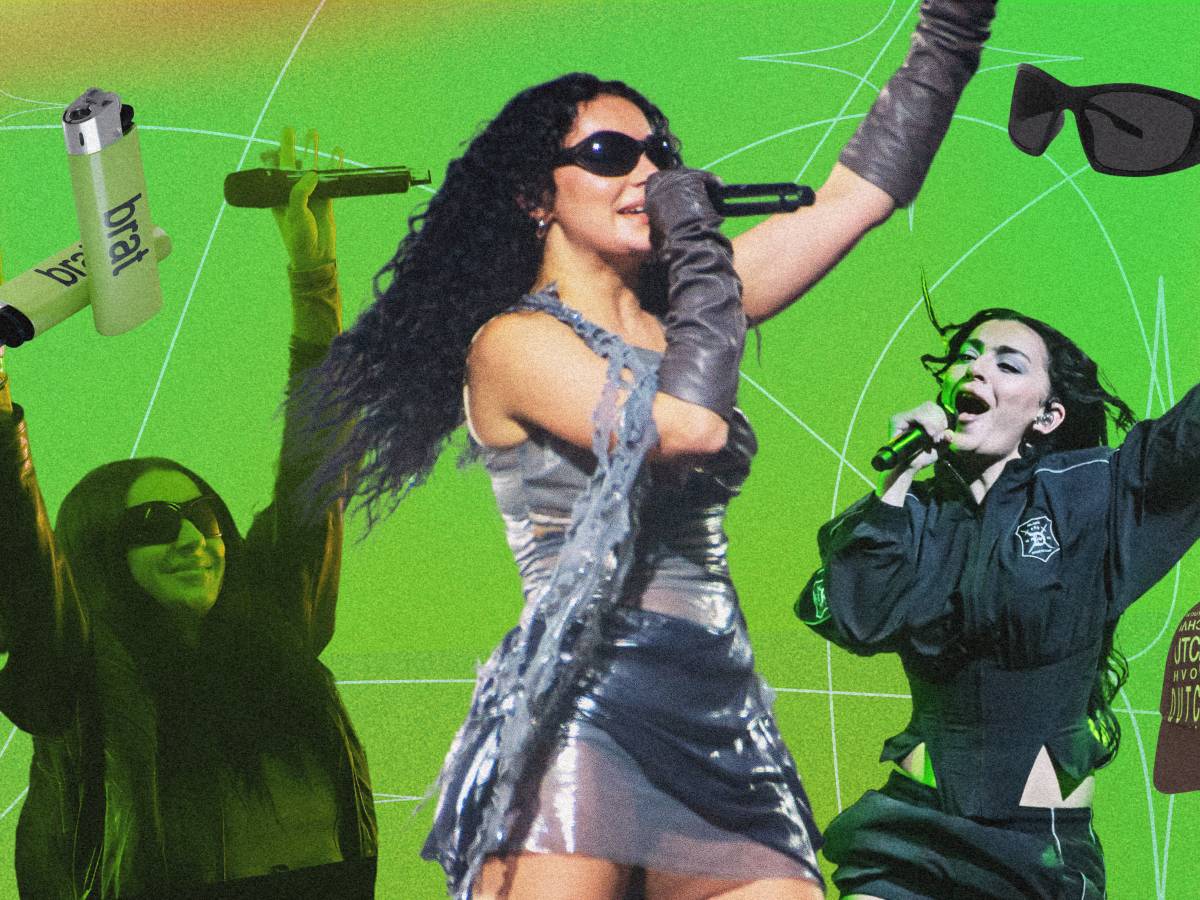
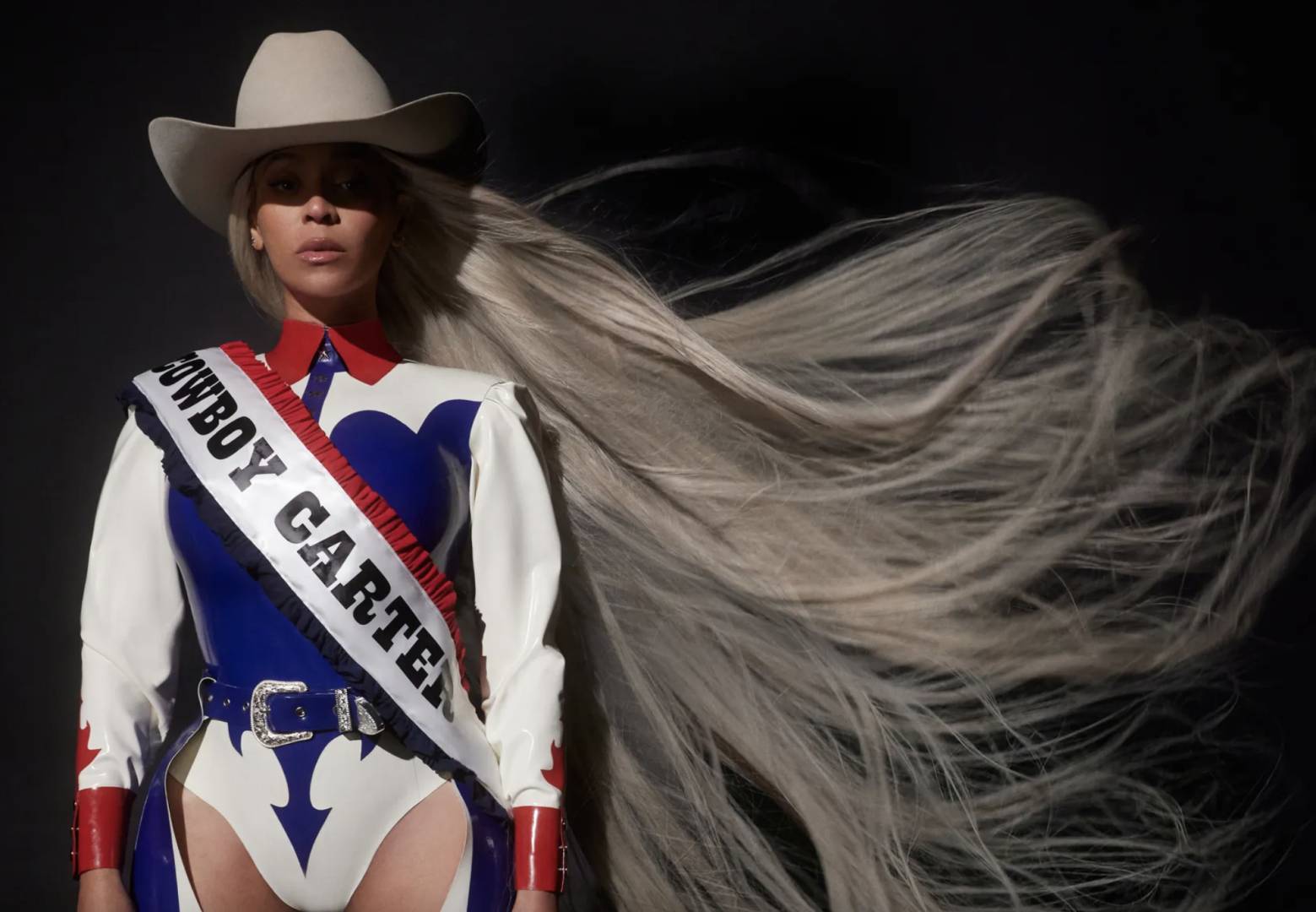
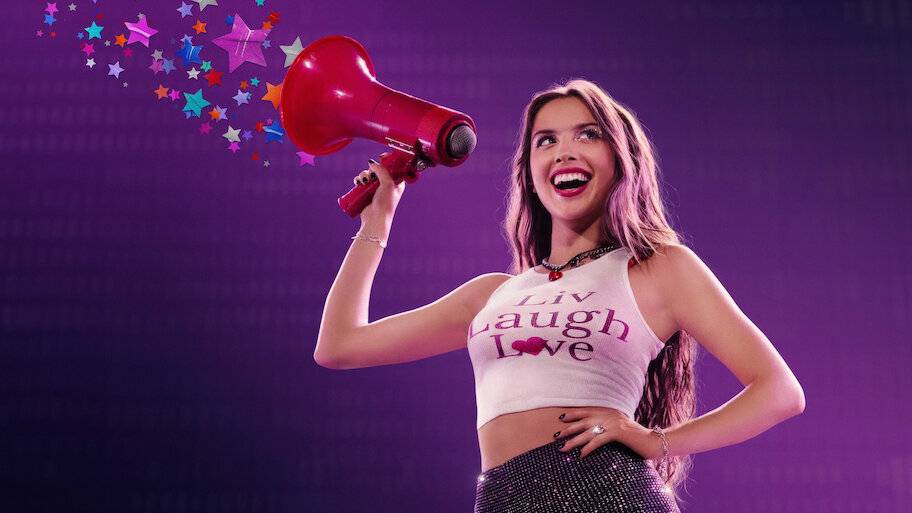
Taylor’s Showgirl moment isn’t happening in a vacuum. It’s part of a broader shift in how music releases function as cultural events. Charli XCX’s Brat Summer turned lime green into a shorthand for messy, hot-girl chaos. Beyoncé’s Cowboy Carter revived Western aesthetics across fashion and TikTok. Olivia Rodrigo’s Guts inspired a wave of purple glitter angst.
These aren’t just albums, they’re eras - self-contained cultural blueprints that fans adopt and brands try to borrow. The colour palettes, the moods, the language are all part of this era-inspired framework and lexicon. In short, an instantly recognisable shorthand. For artists, it’s a way of expanding cultural dominance. For brands, though, it’s a tempting shortcut into cultural relevance.
But here’s the catch: these cultural spectacles are designed to promote the artist. They generate enormous PR pull, and brands who join in often find themselves in orbit rather than in the spotlight. Unless the participation is genuinely ownable, the halo effect benefits the artist far more than the brand.
Add or echo?
This is where the distinction matters. Brands need to ask whether their contribution adds something original or merely echoes what’s already being said. If your post could have come from any brand in the feed, then it isn’t distinct. And distinctiveness is the bedrock of long-term marketing success, or so says common marketing best practice.
Audiences aren’t keeping score of how quickly you turned your logo orange. They’re remembering which brands offered a perspective, a twist, or a piece of content that felt undeniably theirs. That’s the difference between capitalising on culture and getting lost in it.
Orbiting vs owning
Taylor Swift doesn’t need brands to validate her cultural dominance, in the same way that Charlie XCX or Beyoncé don’t either. They create eras that shape seasons. Brands, for the most part, are orbiting these eras, reacting to their gravitational pull rather than setting their own trajectory.
Orbiting isn’t always bad. It can signal cultural fluency and audience awareness. But it’s not enough on its own. If your participation is interchangeable with every other brand in the feed, then you’re not building your own equity. You’re simply amplifying someone else’s.
The harder path, but the more rewarding one, is to build worlds of your own. Just as artists create eras that extend beyond the music, brands can craft cultural territories that audiences want to inhabit. That doesn’t mean ignoring the big cultural tentpoles. It means using them as inspiration rather than instruction, a springboard for your own story rather than a template for borrowed attention.
Because at the end of the day, people don’t remember brands for how quickly they jumped on a trend. They remember the ones that told a story only they could tell.
on August 29th, 2025