Attention is the strongest ever-growing currency that demands more investment day by day. Our ability to focus on a single screen has fallen 70% since 2004, currently at 47 secs. Thousands of brands are desperately trying to cling onto any trend, niche or famous figure to allow them to break through the noise.
However, in a world where one person is exposed to over 4k advertising messages a day, sometimes brands need to get creative. And what gets people’s attention the most - drama.
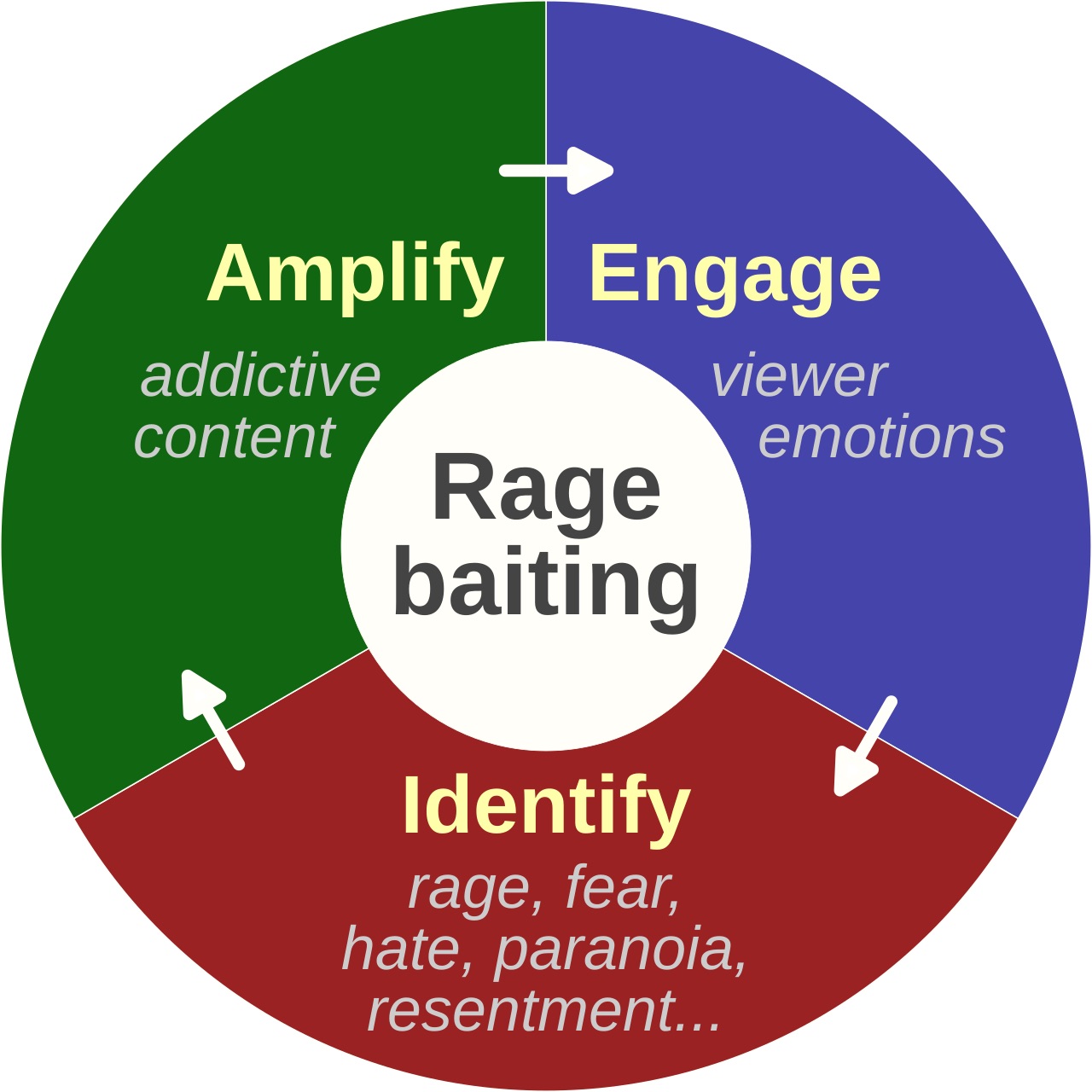
What is rage bait?
When “rage bait” was crowned Oxford’s Word of the Year for 2025, it confirmed what we’ve all been seeing on our feeds; content purposefully staged to provoke a reaction. Afterall, comments are a huge part of the social media experience - once we’ve watched a video, heading straight to the comment section to see what everyone else has to say has almost become second nature. And for brands, that reaction can mean free engagement; comments, shares, reaction videos, and even memes.
Like Cardi B said “Thank you to my haters too, because they be downloading my stuff so they can hear it and talk about it.”
The Sydney Sweeney effect
Straight from Euphoria and teenage boys’ dreams, actress and Hollywood star Sydney Sweeney (and her PR team) has leaned into and capitalised off her all-American, girl-next-door brand. Best known for her roles in Euphoria, The White Lotus and Anyone But You, the two-time Emmy nominee has become one of Hollywood’s most controversial figures. Conventionally attractive, sensual and a regular fixture in celebrity culture, she has become almost impossible to avoid across our screens, whether we like it or not.
And she’s gone all in. Over the past two years, she has fronted three of the most talked-about advertising campaigns in Gen Z pop culture. From bathwater to jeans and now sports, controversy seems to have become her money-maker.
Dr.Squatch: comments & bathwater
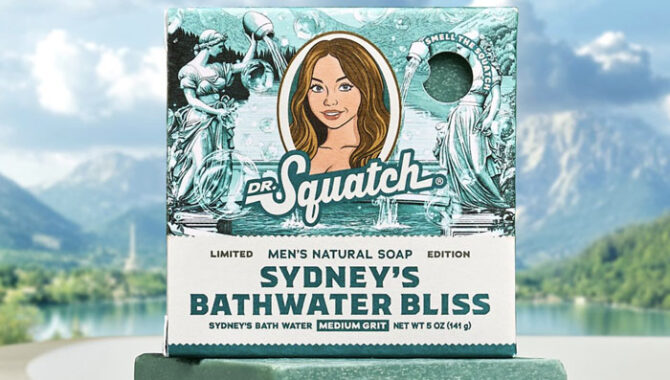
What started as a suggestive comment section under Sydney’s Dr. Squatch bathtub ad became an actual product, created entirely off the thousands of engagements and reactions, both from admirers and critics. The brand released 5,000 bars of soap infused with her bathwater, turning an internet joke into a sell-out launch.
Admittedly, this was a smart and intuitive marketing move, they not only leveraged organic interactions, but also actively cultivated dialogue with their audience.
This incorporated the audience in the decision-making process, while also allowing them to be an active part in shaping the brand ethos and image, ultimately creating an unconscious mental bond with the brand.
However, the campaign had many critics, particularly women, questioning the ethics behind the ad, arguing that it directly profited from the hyper-sexualisation and objectification of the female body. In reality, this has been a controversial topic and point of debate across the media world for decades. While some stand by the age-old saying “sex sells”, others question whether there is still a place for campaigns like this in modern advertising.
The campaign reportedly went on to generate a staggering 74 billion impressions.
American Eagle: great jeans, better genes?
Just a month later, a new slogan had taken over social media: “Sydney Sweeney Has Great Jeans”. This time, American Eagle capitalised on Dr. Squatch’s success, pointing out that Sydney indeed has great ‘jeans’, a play on jeans vs genes, presenting her as the embodiment of the perfect woman. Ultimately, this directly played into the everlasting profitability of the male-gaze, and by extension its critics.
Some saw it as a harmless pun, while others linked the messaging to wider conversations around racism and eugenics in American politics and media, adding yet another layer of point of contention. Nonetheless, Sydney’s Signature jeans sold out within a week, while American Eagle's search interest soared by 186%, and website traffic increased by 15%, proving just how far a jeans ad can travel when everyone has an opinion on it.
Novig: it’s “just sports”
In 2026, Sweeny returned to the rage-bait scene, collaborating with Novig, a sport’s betting platform. Launched on 9 September 2026, Sydney’s latest controversial campaign is for sports prediction platform Novig. The offering and selling point seemed to be consistent - her body and sex appeal. The ad supposedly had a simple message “just sports” delivered by Sweeney, whilst she suggestively held two American footballs to her chest.
Almost immediately the internet erupted, fans and critics all had something to say. However, female athletes took centre stage, with a simple message of their own, “Sydney Sweeney, this is what a female athlete looks like”, creating an entirely new trend, centred around empowerment and reclamation.
Novig reported trading volume up 94% and app downloads up 187% following the campaign.
So, why aren’t all brands doing this?
Rage bait might be a quick way to grab attention, but that attention is often short-lived - while the consequences can stick around much longer. Today, consumers are buying into more than just a product; the brands they choose can say something about who they are and how they want to be perceived. This is especially true for Millennials and Gen Z - digital natives who have grown up surrounded by endless choice, making them increasingly aware of the brands they buy from and what those brands represent.
So, when the clicks fade and the controversy dies down, is the attention really worth the lasting impact on your brand?
Nina Seferi on October 15th, 2026