Social media strategy
The marketing campaign behind The Drama demonstrates how modern film promotion blends traditional advertising with digital-first audience engagement. Attention spans are now fragmented across a multitude of different platforms, spoilers are rapidly available online and audiences are drawn to instant access, without having to wait.
As a result, marketing teams must evolve and come up with new ways to cater to social media platforms, while engaging a range of audiences for a prolonged period of time, in order to ultimately draw the audience to the cinema to watch their film.
The film's director, Kristoffer Borgli, is known for his sharp take on social satire and the impact of social media. It’s fitting then, that the marketing campaign mirrors the film’s themes, highlighting how a fixation on drama and the attention driven by social networks can shape and strain personal relationships.
How did The Drama engage audiences and build anticipation ahead of its release?
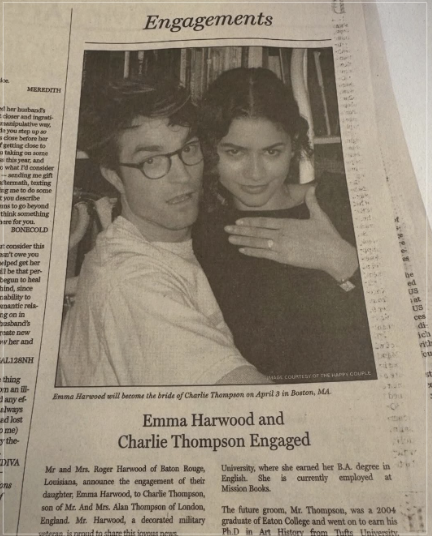
The Drama opened with $14.4 million at the domestic box office, marking it the 3rd biggest opening day ever for an A24 production. The marketing campaign had a large part to play in this, skipping the traditional marketing process such as attending the film festival circuit was just the beginning. A24’s marketing strategy instead began constructing a fictional world, centred around the characters in the film; Emma Harwood (Zendaya) and Charlie Thompson (Robert Patterson) they began releasing images across social media, building a narrative and conversation around online engagement.
Valentines Day
On Valentines day, A24 launched charlieandemmaforever.com, a legitimate wedding website complete with a dress code, engagement photos, RSVP portal, menu and travel guide. The sections hint at an adults-only, phone-free ceremony with the ‘Our Story’ section detailing how they met, with just enough instability for audiences to start questioning. This created even more conversion and debate around the film.
Earned media
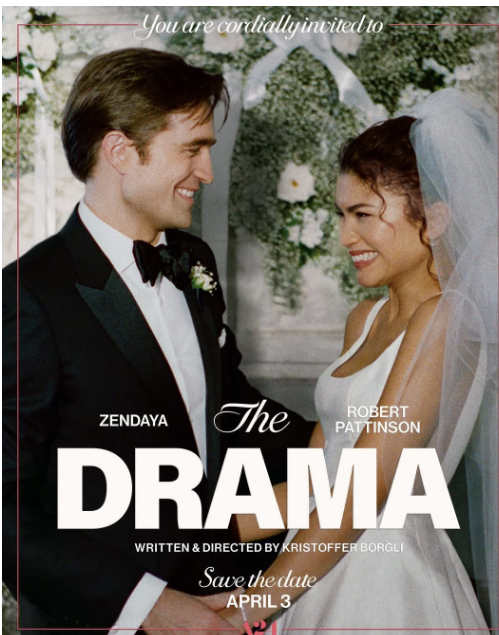
Zendaya’s social media presence is already rare, making every post intentional. So when she posted a ‘save-the-date’ to her Instagram account, it instantly captured attention. The image showed her alongside Robert Pattinson, wearing an engagement ring, which sparked instant confusion. Thousands of fans flooded the comments trying to make sense of it, quickly noting that this was not Zendaya’s real life partner, Tom Holland.
That moment of uncertainty was exactly the point. The marketing campaign cleverly created real-time conversation, as audiences debated what was real and what was tied to the upcoming film. Instead of relying on a traditional press release, it generated massive earned media through organic, chaotic online engagement. Turning speculation itself into the marketing engine.
Genre confusion by revealing fragments of the storyline
New images posted across social media progressed the film narrative and created even more intrigue around the plot. The first images released featured the happy couple smiling with Zendaya’s character showing off her engagement ring and the other of the couple in their wedding attire.
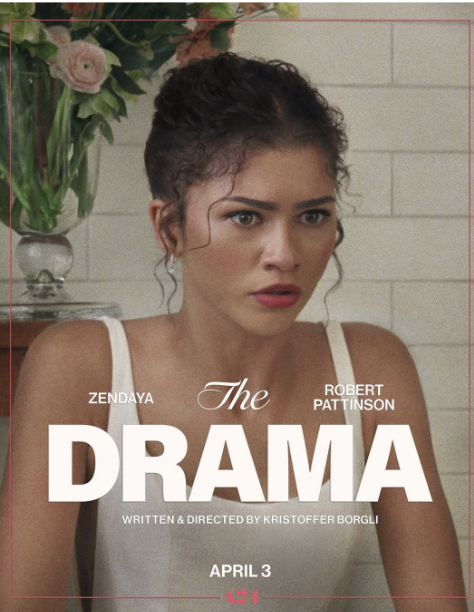
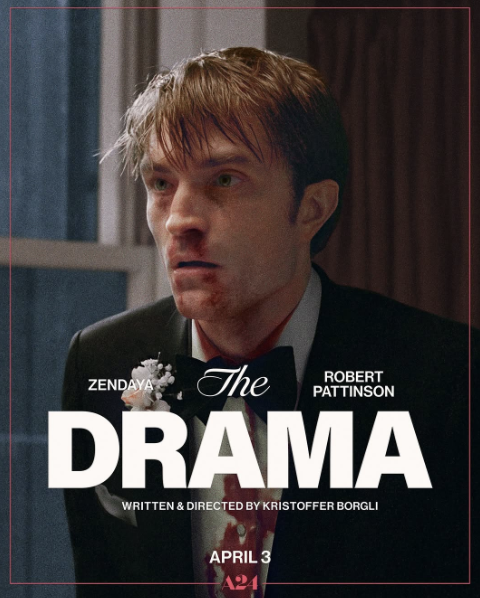
However, the new images showed the couple in shock, with Pattinson covered in blood. This created even more theories and predictions for the film, whether it’s a RomCom, psychological thriller, or both? With audiences taking to social media platforms to discuss their thoughts.
The Trailer also tied into this well, as it also revealed just enough about the plot to acknowledge the film was not the RomCom it was first made out to be, but something darker. The ambiguity is part of the marketing strategy, as the aim is for the audience to be just as surprised as the characters when they find out the truth.
Audience Engagement and Interactivity
An important feature of the marketing campaign was its emphasis on audience interaction. Rather than passively viewing the content, the audience were encouraged to actively engage and participate.
Releasing carefully chosen images across social media, interviews and teaser drops in stages prompted even more engagement, as users strived to keep up with the new information being posted, to figure out what the film was about. This gamified approach helped to increase the emotional investment the audience had before the film’s release.
Impact and effectiveness
The marketing campaign for The Drama demonstrates the effectiveness of building anticipation through restraint. By withholding key narrative details and focusing instead on the emotion and the characters, the marketing team successfully created and then sustained audience interest and engagement over a long period of time.
The combination of digital interactivity and traditional promotion allowed the campaign to reach both younger, social-media-driven audiences and more traditional filmgoers. As a result, The Drama was not just a film release, but a cultural talking point.
Anais Lewis on April 24th, 2026